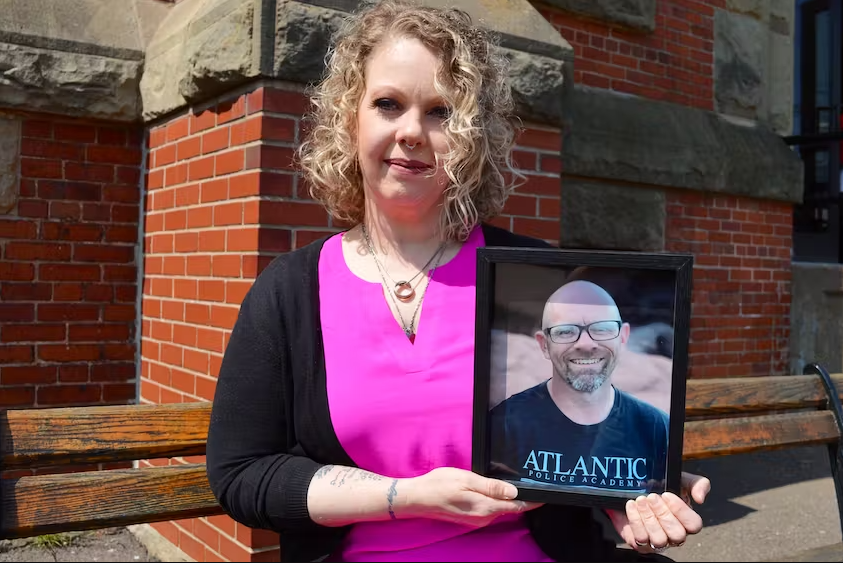
On October 21, 2022 Chris Wedlock was in a tragic accident and did not survive. His widow, Tanya Wedlock, has been advocating for changes to driver education and our highway traffic laws based on the event. Over the last three years she has been researching and engaging police and government officials to see what can be done. [Jump to Private Members Bill – Chris Wedlock’s Law]
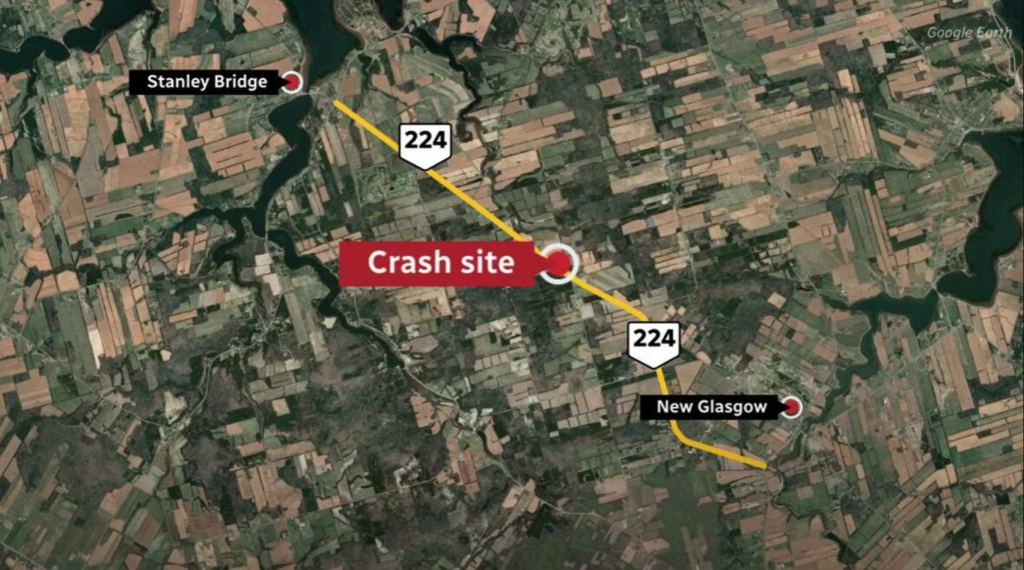
Chris was driving west on Rte 224 in the Hope River area, and a car travelling east entered the west-bound lane and collided with him. The driver of the car was employed in PEI on a work visa, and is a citizen of India. Her driver’s license was an Instruction Driver’s Permit (Class 7 licence), that requires a driving supervisor. She was driving alone. She was on the way back from her place of employment at Clinton View Lodge. In her statement she said she had approximately two-and-a-half to three hours sleep in the three days prior.
At the scene of the accident, the investigating officer charged her with a summary offence under Section 176 of the Highway Traffic Act – “Driving imprudently, without due care and attention, or if disabled” – specifically subsection 176(1)(b). Eventually a new officer was assigned to investigate, reviewed the case, and issued a new charge of dangerous driving causing death – a criminal code offence. The driver being charged then left Canada to return to her home country of India.
Over the fall of 2024 and winter of 2025, Tanya and I received a committment from Minister of Transportation & Infrastructure that fatigued/drowsy driving would become part of the curriculum for new driver education. He also committed to including fatigued/drowsy driving in public information campaigns about impaired driving – because it impacts drivers in similar ways.
Chris Wedlock’s Law – Private Members Bill
I am sponsoring a Private Members Bill that I am calling “Chris Wedlock’s Law”, which updates the Highway Traffic Act to make our roads safer for everyone by addressing dangerous driving – including driving while tired – and by strengthening consequences when someone is seriously hurt or killed as a result. You can download the full consultation draft of the bill here:
An Act to Amend the Highway Traffic Act – Chris Wedlocks Law
1. Recognizing Fatigue as Dangerous Driving
The bill updates the definition of dangerous driving to include driving while drowsy or fatigued. Research shows that fatigue can impair a driver’s reaction time and judgment, making it a serious safety concern. The amendment also modernizes the language in the Act by removing gendered wording.
In addition, the bill creates a new offence for situations where a driver, while operating a vehicle dangerously, causes bodily harm or death. This ensures the law more clearly reflects the seriousness of these incidents.
2. Stronger Penalties When Someone Is Hurt or Killed
The bill gives courts clearer authority to suspend a driver’s licence when they are convicted of causing bodily harm or death under the new offence.
- For a first offence, a court may suspend a licence for up to two years.
- For repeat offences, that suspension can be up to five years.
These strengthened penalties emphasize accountability and reinforce the importance of safe, responsible driving.
3. Updated Fines for Serious Driving Offences
The bill adds the new offence to the Schedule of the Act, specifying the minimum and maximum fines that may be imposed. This ensures penalties are clearly outlined and consistent.


